The Farm The Fields The Tea Brewing Story Founding

Made here for generations.
And for many more to come.

One family farm in the mountains of Shizuoka, still working its hillsides by hand. Three of its teas — a Japanese black tea, a hojicha, and a sencha chosen to your taste — 230 g in all, delivered to the United States for $120 with shipping and duties included. Allow 14 to 21 days: nothing is chosen until you order.

One hillside, one family,
and everything it grows.

What we treasure most is the people behind the leaf — their intent, their history, and the quiet craft poured into every row they tend. We visit the farm, listen to the story, and translate it faithfully: the field, the harvest day, the hands behind your cup. Picked, finished by the farm, and sent to you in small lots — so it arrives tasting the way its maker meant it to. That is the whole of what we do.

Shading frames standing over a tea plot at our first farm in the Shizuoka mountains
01 The Farm · Shizuoka

One hillside, kept by one family

We buy directly from one small family farm in the mountains of Shizuoka. No importer, no wholesaler, no auction floor in between — we go to the farm, and the tea comes from there to you. Everything we sell comes off those fields.

Your three are chosen at the farm, by the two of us together. The grower knows which of the fields came in best this season and what each one is doing this month; we know what you told us you were looking for. Neither half works on its own — which is why we sit down and do it side by side, order by order.

See the tea →
The Fields

Two people. More than ten fields.

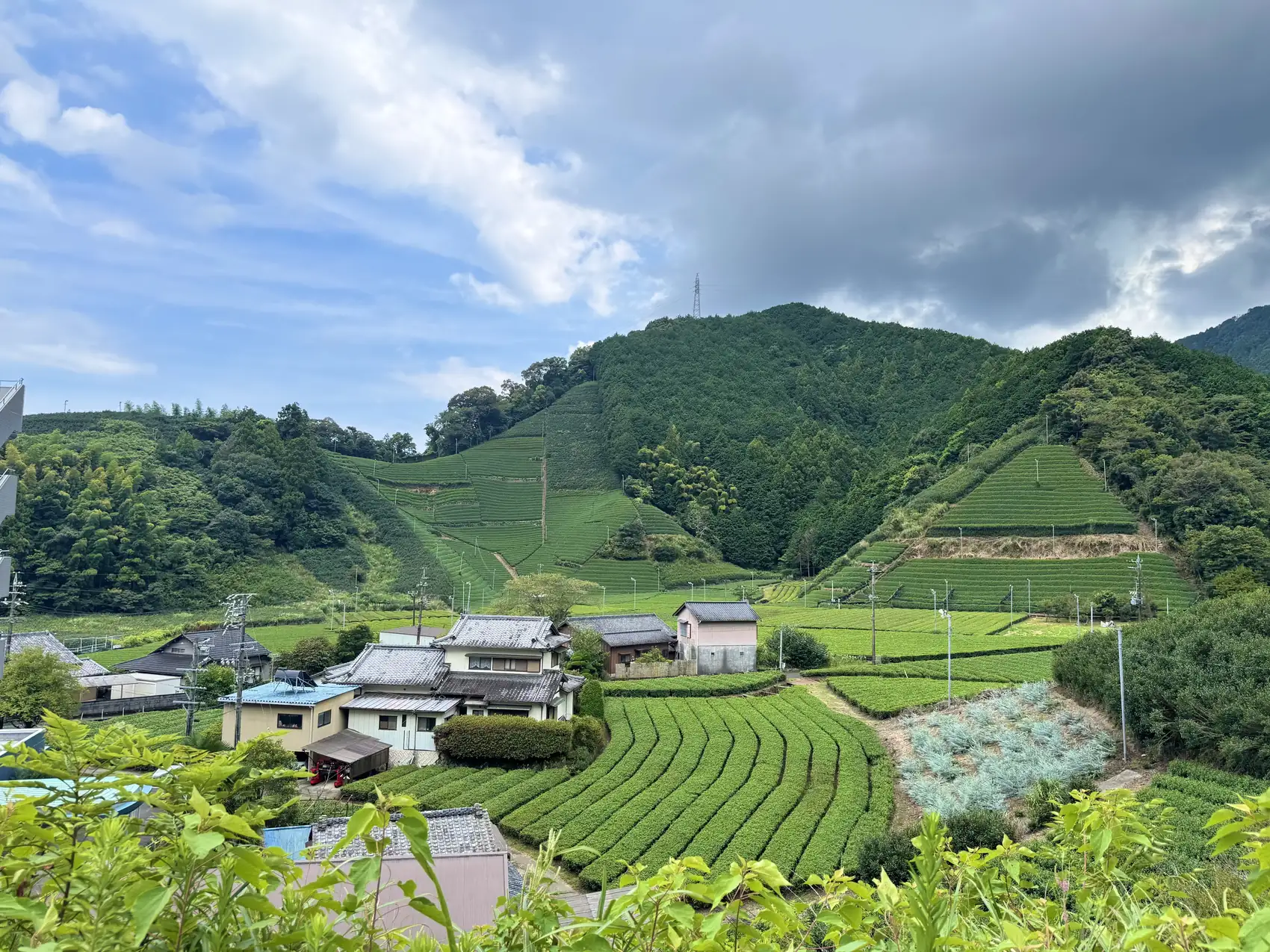
Terraced tea fields climbing the steep hillsides above a Shizuoka valley

A single family farm in the Shizuoka mountains. A husband and wife, and more than ten separate fields between them.

Tea here grows on the sides of mountains. The flat ground at the bottom of the valley is the easy part; the higher you go, the less easy it gets. On the steepest slopes no machine can climb, so every row has to be cut by hand. And across these hills the growers are getting older — there are fewer hands each year, and the steepest ground is the first to go uncut.

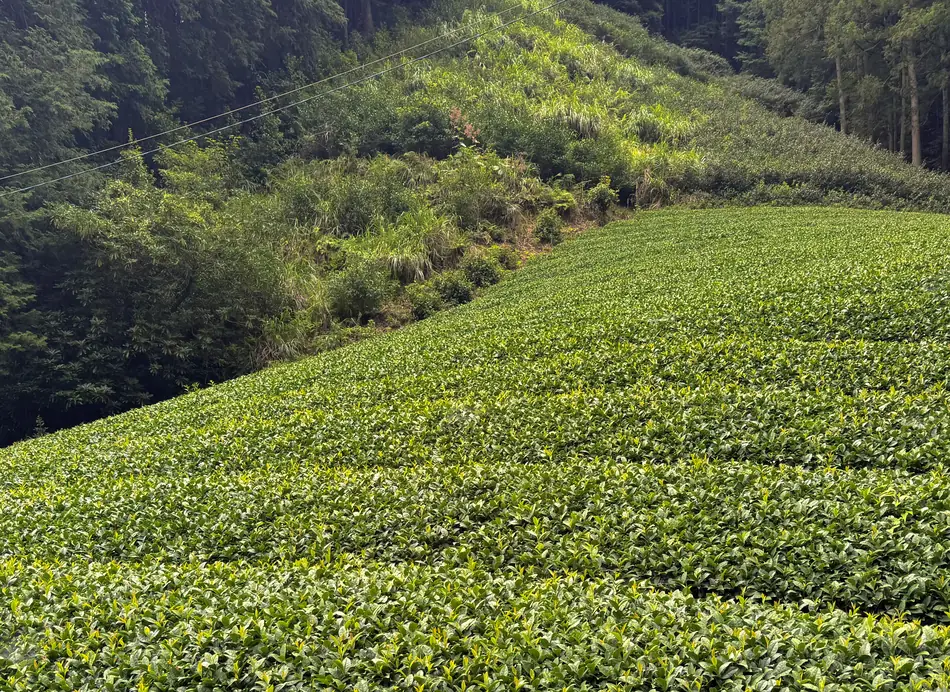
A sloping tea plot where the cultivated rows give way to uncut grass near the treeline
The steepest ground. No machine can reach it, so it has to be cut by hand — and where the hands run out, the grass comes back.
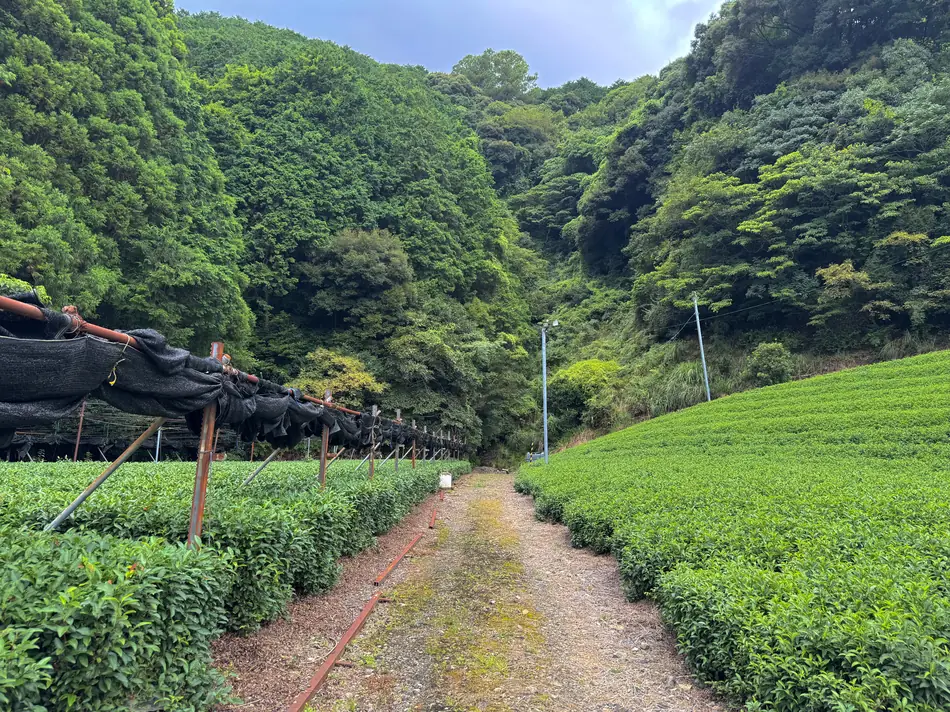
Two adjacent tea plots separated by a path, one under shading frames and one open to the sun
Two plots with one path between them. The left has frames over it for shading; the right is open to the sun. The same farm — but they will not taste the same.
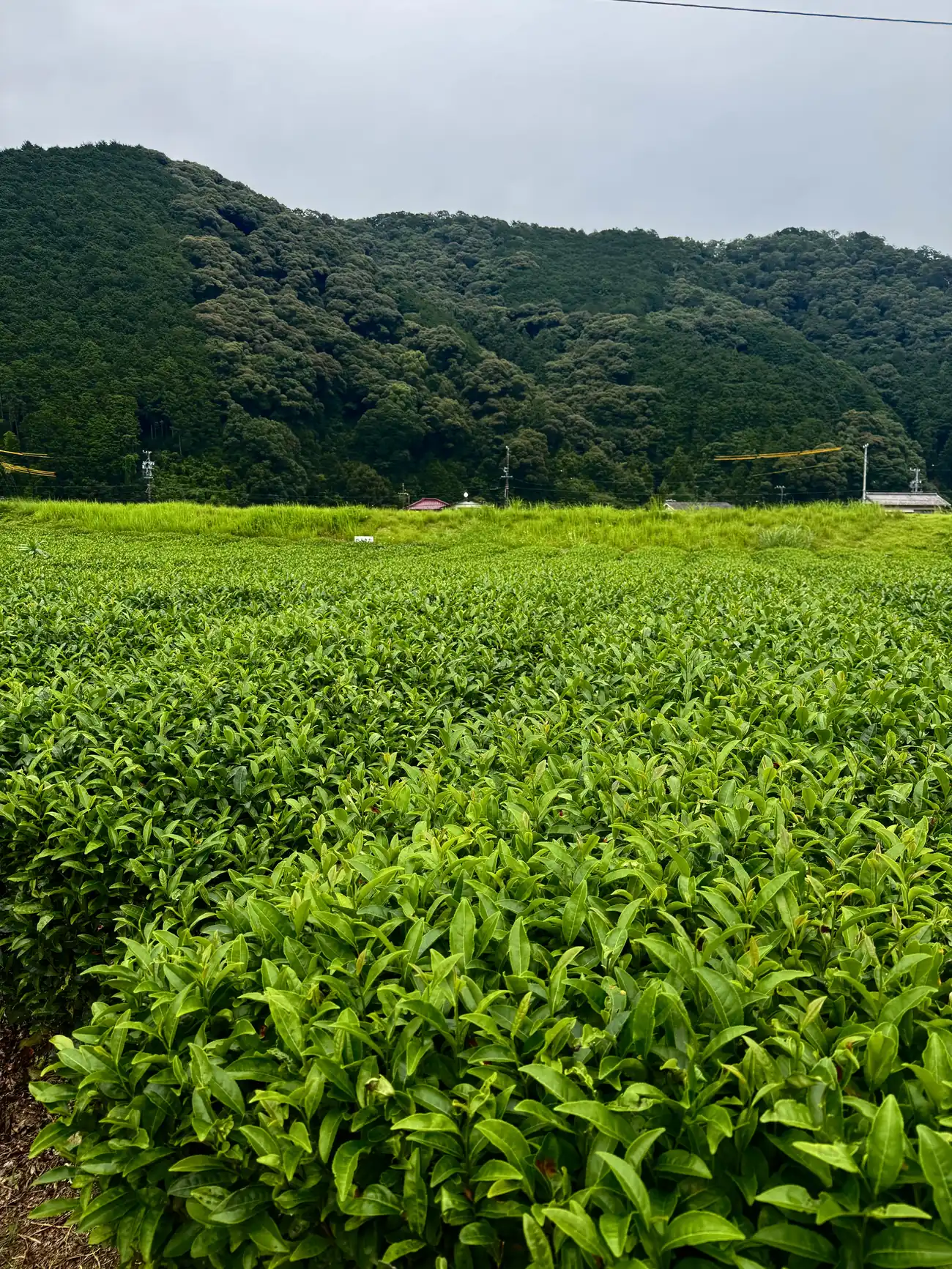
Adjacent rows of tea, the leaf on one a paler green than the next
Rows right next to each other, and still not the same green. It is why the tea from each field is kept separate rather than blended.

More than ten fields means around thirty different teas on the shelf — and no two people are looking for the same one.

Tell us what you like.

Some people want aroma above all else. Some want the deep savoury sweetness the Japanese call umami. Some want a cup with a little astringency to it, to drink after a meal. Tell us which — and what you tend to eat and drink alongside your tea — and we will go to the farm and pick the three that suit you.

The Tea

Three teas. One of them is your call.

The kinds are settled: a black tea, a roasted tea, and a sencha. Which tea actually goes into each bag is not. The farm grows around thirty of them, and we choose from its shelf together with the grower — for the sencha, in whichever direction you point us.

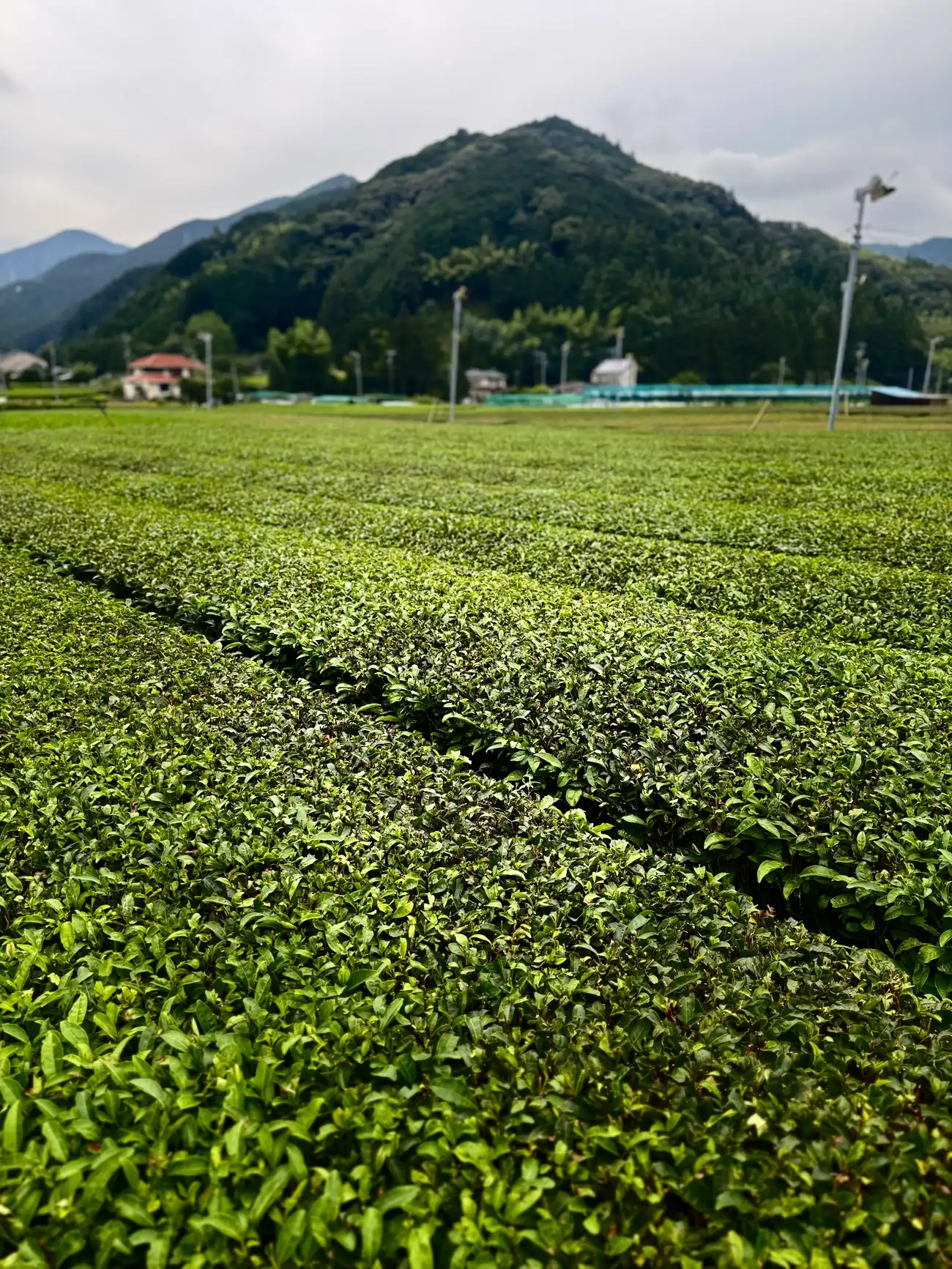
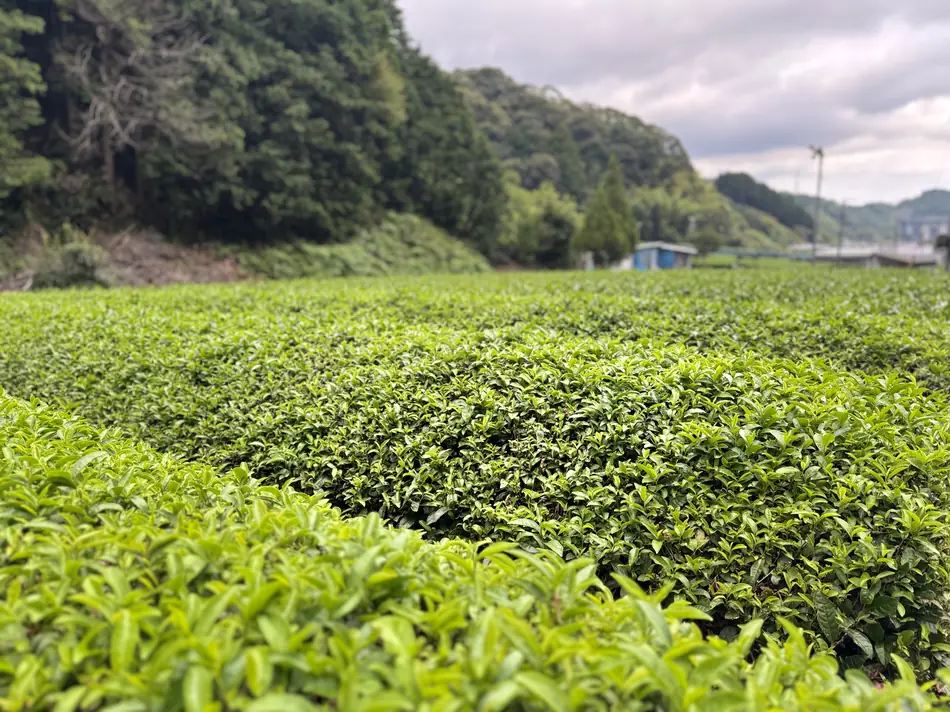
Close view of the leaf on a tea plot in Shizuoka, Japan
01 Black tea 30 g
  • Chosen at the farm

Japan makes black tea too, from the same plant the sencha comes from. Almost nobody outside Japan has had one. This farm makes several, and which of them you get depends on how the year went.

02 Roasted 100 g
  • Chosen at the farm

Ours is made from first-flush leaf — the same leaf that goes into the sencha, roasted instead. Nothing else goes in, so the taste has to carry it on its own.

03 Sencha 100 g · you choose
  • Savory and full
  • Bright and grassy
  • Let us choose

This is the one you steer. Tell us which way you lean and we pick the field to match. Leave it to us and we send whichever is drinking best the week your order comes in — and tell you why when it ships.

We ask you the questions you can answer, and we don't ask you the ones you can't. You know what you like the taste of. Which field came in best this year is ours to work out.

Since we are the ones choosing, please don't be polite about it. Strong and grassy, or soft and sweet? Morning, or late at night? What do you eat, and what do you usually drink alongside your tea? Is there a tea you had once and have been looking for ever since? Nothing is too specific. There is a box for it at checkout, we read it before anything is packed, and the more you write the less we have to guess.

Made to order. Nothing is sitting in a warehouse — which also means that if a field is between harvests, we will choose the closest thing and tell you why when it ships.

Ask for something we don't have

“Make something like ___” is a message we want to get. The farm grows more than we can put on this site, and what we add next will come from what people ask for. This shop is at the beginning of its life — we would rather build it with you than guess at what to stock.

$120 Three bags, 230 g in all · about 55 pots · duties and shipping included
  • How long it takes 14 to 21 days. Nothing is chosen until you order, and nothing is sitting in a warehouse — the tea is picked out at the farm after we read what you wrote, then sent from Japan.
  • Duties and taxes Paid by us before it leaves Japan. Nothing is owed on arrival, and customs will not hold it for payment.
  • If something goes wrong If a bag arrives damaged, or the parcel does not arrive at all, we replace it or refund you. Send us a photo and we will sort it out — you do not need to ship anything back.
  • If the sencha isn't right Choosing is our job. Tell us what was wrong with it and we send a replacement bag at no charge — once, on a first order. Keep the first one.
Choose your tea

Duties, taxes and shipping are included. The first thirty orders pay $95 — join the founding list below and we will send you the link.

How to brew it →
The Founding 30

Be first through the door.

The shop is open. The first thirty orders pay $95 instead of $120 — and keep that price for good. Thirty is not a marketing number: it is how many boxes we can choose, write and pack by hand before the year turns. Leave your email and we will write back with the link that applies the price. It goes to the first thirty orders that use it.

Correspondence
Instagram
Based in
Tokyo, Japan

We write rarely and only when there is something worth reading — a harvest, a letter from the farm, a new tea. Unsubscribe anytime, with one click.

We ship to the United States only. Duties and taxes are paid by us before it leaves Japan, so nothing is owed on arrival. Other countries will follow once we can do them properly — join the list and we will write when yours opens.

Your email is used only for the letters you have agreed to receive. This form is delivered to us by Formspree, which stores the submission so we can read it — it goes nowhere else, and you can ask us to delete it at any time.

You're on the founding list.

We'll write back with the link that applies the founding price — from a person, within two business days.

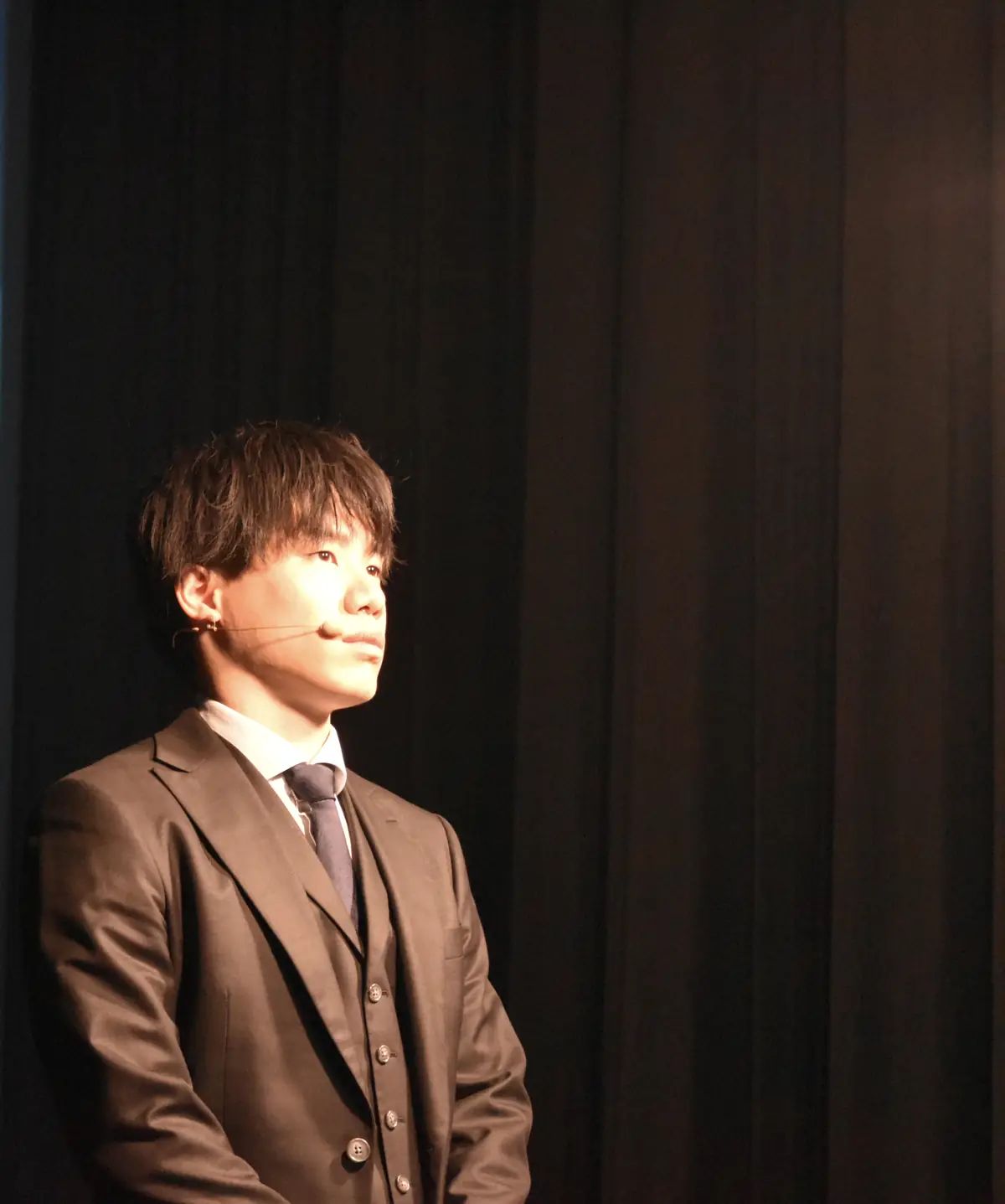
Tomoya Iwamae, Founder of ARKLinks
The Founder

Why ARKLinks exists

Travelling through Japan's countryside, I kept meeting extraordinary people — above all, a tea farmer whose family has worked the same hillside since the Edo period, making tea of a depth the world almost never gets to taste. The travellers who found them were moved to tears — yet the world has almost no way to reach them.

At the same time, these makers — the very foundation of Japanese culture — are quietly disappearing. Successors are scarce, and centuries of craft risk ending in a single generation. I founded ARKLinks on one conviction: that a real relationship between you and the family who grows your tea can carry this heritage forward — not through charity, but through every box you order.

My work is simple: I walk the fields, translate the stories, and carry their tea to your door.

Tomoya Iwamae — Founder
FAQ

Frequently asked questions

Now — the shop is open. The first run comes from leaf picked and finished this year. The first thirty orders pay $95 instead of $120 and keep that price: leave your email on the founding list and we will write back with the link that applies it.

We open with the United States first, with duties included in the price — no surprises at customs, delivered to your door. Further countries follow as we grow.

One family farm in the Shizuoka mountains, and around thirty teas grown across its fields. The box holds three of them: a black tea, a roasted tea and a sencha. Which particular tea fills each bag is chosen at the farm, together with the grower — and for the sencha, in the direction you ask for.

Every bag comes off one farm. And we tell you why that particular tea was chosen for you, in your own terms — because you told us what we should be looking for before anything was picked out. If you want to know more about what is in the bag — which field it came from, when it was picked — write and ask, and we will put the question to the grower.

Yes — with a small adjustment. Japanese tea assumes soft water, so hard water flattens it. Our brewing page explains what to use, how to get the temperature right without a thermometer, and gives the grams, temperature and seconds for every kind of tea we send.

One day, we'll take you to the hillside itself.